July 28, 2026
Upgrading your vehicle with a fresh set of window tints is one of the most popular and practical modifications a car owner can make. While many people initially look into auto tinting to enhance their car’s sleek aesthetic appeal, the actual benefits go far beyond cosmetics. High-quality window films block out blistering summer heat, shield your skin from harmful ultraviolet (UV) radiation, protect your interior from fading, and give you an added layer of privacy and security.
However, getting your windows tinted is not a simple one-size-fits-all purchase. If you walk into a shop completely unprepared, you might end up with film that is illegally dark, a material that bubbles within a year, or an installation that completely blocks your electronic signals. To ensure you get the absolute best value and a look you love, here are five essential things you need to know before investing in professional auto tinting.
1. Understand VLT and Your Local Window Tint Laws
The absolute first step before picking out a shade of tint is learning what is legally permissible in your geographic location and how tint darkness is measured. Window tint levels are calculated by Visible Light Transmission (VLT), which represents the percentage of light that can pass through the window film. Lower VLT percentages mean a darker tint, while higher VLT percentages mean a lighter film.
When choosing a specific look, you should know what options are widely manufactured. According to Raxtify, the window tints tend to be provided in these amounts: 5%, 15%, 35%, 50%, and 70% VLTs. A 5% VLT is known as a "limo tint" and is extremely dark, making it nearly impossible to see inside the vehicle.
Conversely, a 70% VLT is very light, often used on front windshields just to block out heat and UV rays without significantly altering the appearance of the glass.
These options matter because window tint laws are strictly enforced by local law enforcement, and they vary drastically from state to state or country to country. Most jurisdictions have specific guidelines separating passenger cars from trucks and SUVs. They also dictate different limits for the front side windows, rear side windows, and the back windshield. Before booking an appointment, always check your state’s specific VLT guidelines. A reputable local shop specializing in professional auto tinting will be intimately familiar with regional laws and can help guide you to a product that keeps you safe, stylish, and entirely compliant with local regulations.
2. Choose the Right Tint Material for Your Needs
Not all window films are created equal. The industry has evolved significantly from the basic, cheap plastic sheets used decades ago. Today, you have several material choices, each offering a distinct balance of performance, price, and durability.
- Dyed Window Tint: This is the most affordable type of film. It uses a layer of dye to absorb solar radiation and darken the windows. While it looks great initially and provides basic privacy, dyed tint offers minimal heat rejection and is the most prone to fading or turning purple over time due to UV exposure.
- Metallized Tint: This film utilizes tiny metallic particles to reflect heat and UV rays away from the car. It is highly durable and efficient at keeping your cabin cool. However, the metal particles can cause a significant downside: they often interfere with GPS signals, cell phone reception, and tire pressure monitoring systems.
- Carbon Tint: Carbon film delivers a beautiful, matte finish and contains no metal, meaning it will never disrupt your electronic devices. It blocks nearly half of infrared heat and is exceptionally resistant to fading over time.
- Ceramic Tint: If you want top-tier performance, ceramic is the gold standard of modern auto tinting technology. It is embedded with non-conductive ceramic particles that block nearly all UV rays and massive amounts of infrared heat. It offers maximum clarity, never interferes with electronics, and lasts for the lifetime of your vehicle.
By assessing your budget and your primary goals—whether you just want privacy or need serious heat mitigation—you can choose the perfect film grade for your daily commute.
3. Choosing Professional Installation Always Beats a DIY Kit
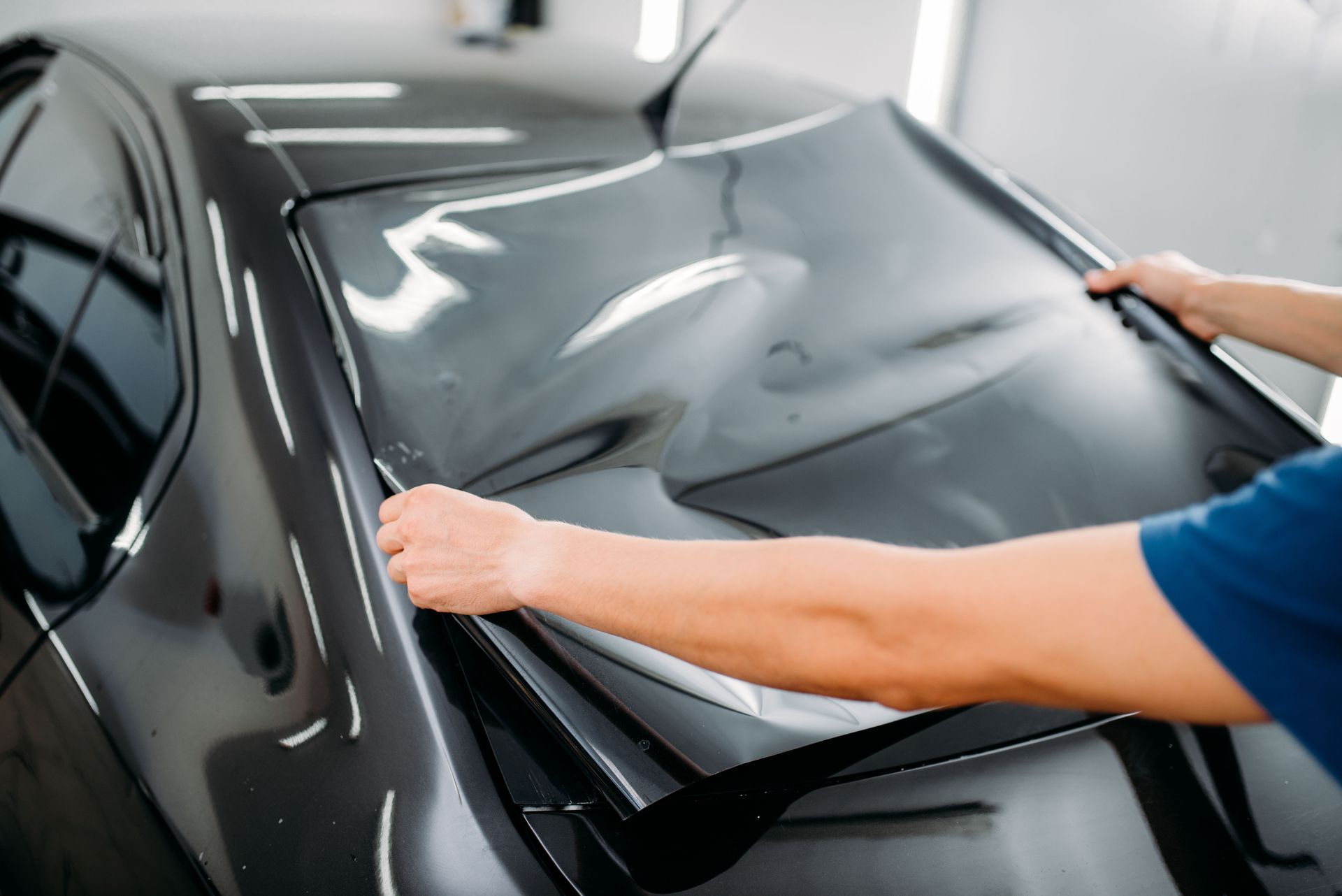
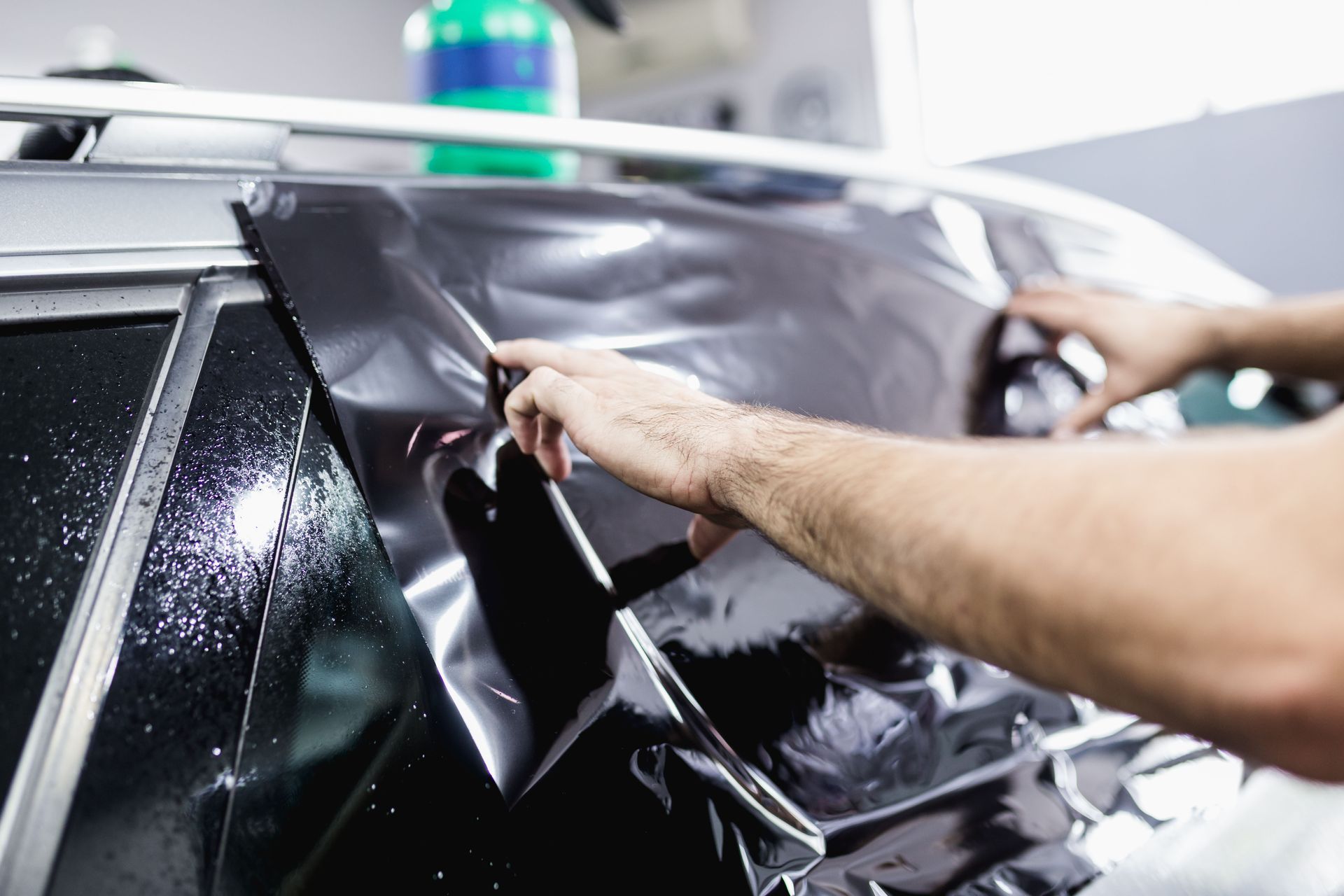
With countless pre-cut DIY tint kits available online for cheap prices, it can be incredibly tempting to try tinting your car windows yourself in your garage. However, auto tinting is a highly meticulous trade that requires a flawless environment, specialized tools, and years of practice to master.
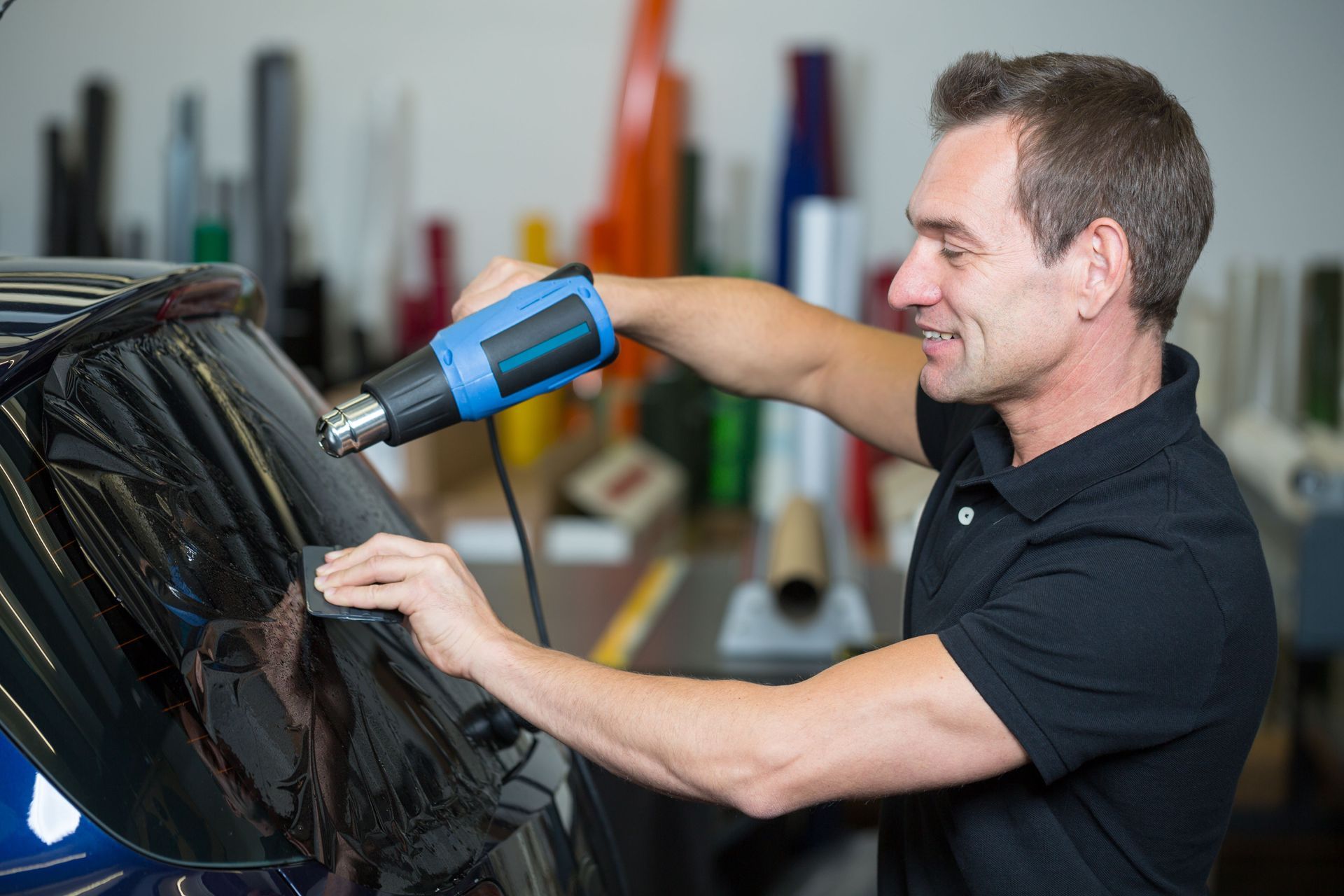
Amateur installations almost always result in trapped dust particles, creases, uneven borders, and the dreaded "purple bubble" look. Professional technicians work in climate-controlled, dust-free bays to ensure that airborne debris does not get trapped between the glass and the adhesive layer. They also possess the skill required to heat-shrink film precisely around the complex curves of rear windshields without melting the material.
Furthermore, when you pay a professional to tint your car, you are usually buying peace of mind. High-quality shops offer manufacturer warranties that protect you against bubbling, peeling, cracking, or color-changing. If you try to save a few bucks with a DIY kit, you will likely spend more money down the road hiring a professional to scrape off your ruined project and reinstall it correctly.
4. Follow the Essential Cure Time and an Aftercare Period
Many car owners assume that once they drive away from the tint shop, their windows are fully cured and ready for normal use. In reality, window film is applied using a specialized water-based solution, and it takes time for that moisture to completely evaporate and for the adhesive to fully bond to the glass.
This process is known as the curing period, and it typically takes anywhere from three to seven days, depending on the ambient temperature and humidity levels. During this crucial time frame, you must leave your windows rolled up entirely. Rolling down your windows too early can catch the edges of the unbonded film, causing it to peel or bunch up.
Additionally, you might notice small water pockets or a slightly hazy, cloudy appearance underneath the film during the first few days. Do not panic, and do not try to press them out yourself. This is a perfectly normal part of the drying process, and the moisture will naturally evaporate on its own. Once the film is cured, remember to always use ammonia-free cleaners and soft microfiber towels to clean your glass, as harsh chemicals like ammonia can slowly degrade the protective topcoats of your new tint.
5. Tinting Enhances Safety Beyond Just Privacy
While most drivers associate window film with keeping prying eyes out of their back seat, auto tinting provides two massive safety benefits that often go unmentioned.
The first major safety benefit is a dramatic reduction in dangerous road glare.
Blinding sunlight during the day, or the intense glare of high-beam headlights in your rearview mirror at night, can severely impair your vision and increase reaction times. High-quality tint filters out this harsh, piercing light, significantly reducing eye strain and making it much easier to navigate unexpected road hazards safely.
The second safety benefit involves structural protection during an accident. Automotive glass is designed to shatter into tiny, blunt pieces during a collision to prevent large, jagged shards from injuring passengers. However, those flying fragments can still cause lacerations or eye damage. Because window tint consists of a tough polymer sheet backed by strong adhesive, it acts as a protective web that holds shattered glass together in one piece. If you are ever involved in a side-impact collision, the film can prevent broken glass from spraying across the interior, keeping you and your passengers shielded from extra harm.
Investing in professional auto tinting is an exceptional way to protect your health, preserve your car’s resale value, and make your daily drives vastly more comfortable. By keeping your local laws in mind, choosing a high-quality material like carbon or ceramic, trusting an experienced professional installer, and practicing proper aftercare, you will enjoy a flawless finish that looks sharp and performs beautifully for years to come. Partner with Volunteer Window Tinting today to upgrade your vehicle with premium, precision-installed window films that deliver maximum heat rejection and lasting style.